Sculpture Relocation in Redevelopment Projects: Protecting and Managing Public Art
04 March 2026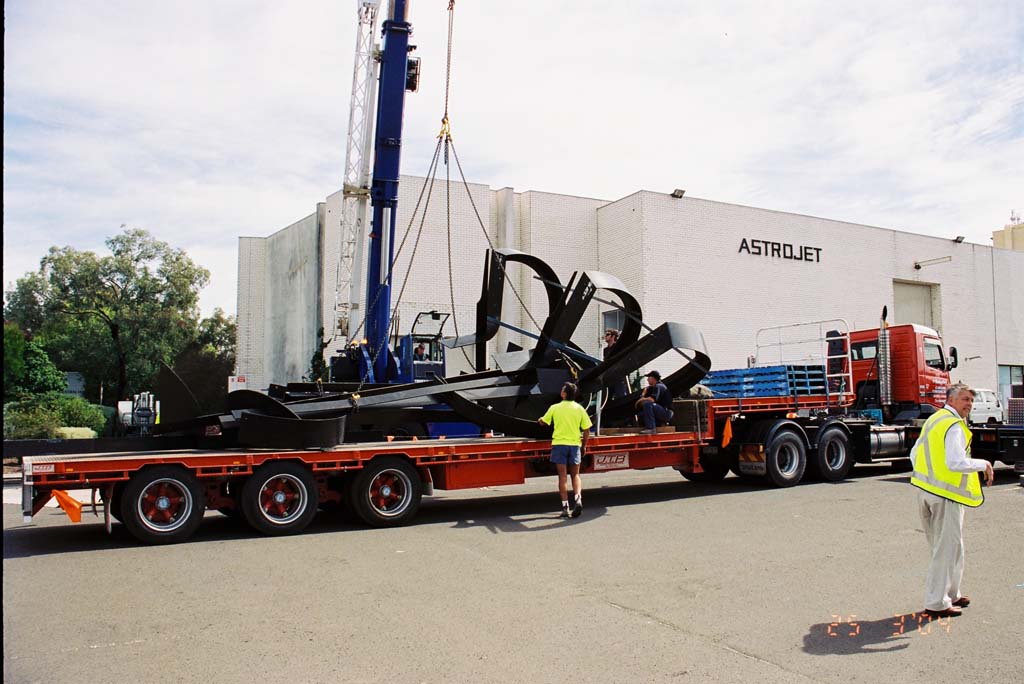
Protect public art during redevelopment with sculpture relocation by JK Fasham in Melbourne, delivering compliant handling and preservation solutions.
Australian redevelopment projects increasingly intersect with established public artworks. Sculpture relocation becomes necessary when construction activity threatens the stability, condition, or accessibility of these installations. Properly managed relocation with us at JK Fasham protects cultural value while supporting safe and efficient redevelopment outcomes.
Public Art Challenges Within Redevelopment Environments
Redevelopment sites introduce vibration, excavation works, and changing load conditions that can compromise sculptures. Sculpture relocation is required where ground movement, machinery access, or altered site levels place artworks at risk of cracking, corrosion, or displacement, as unplanned relocation increases the likelihood of handling damage and long-term structural failure.
The City of Melbourne’s Public Art Framework reinforces this approach by outlining governance, risk management, conservation planning, and lifecycle responsibilities for public artworks within redevelopment projects. Integrating these principles into relocation planning ensures sculptures are managed with structured oversight, stakeholder consultation, and long-term custodianship considerations.
Planning Requirements for Sculpture Relocation Projects
Sculpture relocation demands early technical assessment before any site activity begins. Structural fixing methods, internal supports, and material composition must be documented to determine safe lifting and movement strategies. Local council approvals and heritage conditions often apply and must be integrated into the relocation plan.
Transport logistics and interim storage arrangements require equal attention. Australian public art guidelines emphasise the need for controlled environments and documented condition reporting to ensure artworks remain protected throughout redevelopment transitions.
Critical Factors That Protect Sculptures During Relocation
Relocation activities expose public artworks to handling, movement, and environmental change. Risk can be reduced through structured planning and controlled execution at each stage of the process.
The following considerations support artwork protection during relocation:
• Detailed Material Assessment: Identifies how stone, metal, or composite materials respond to stress, vibration, and temperature variation during handling.
• Structural Stabilisation Measures: Secures internal frameworks and fixing points to prevent movement-related cracking or deformation.
• Purpose-Built Lifting Systems: Distributes weight evenly, reducing pressure on vulnerable sections and original anchor locations.
• Planned Transport Controls: Limits shock, moisture exposure, and abrasion during transit between sites or storage facilities.
• Environmentally Controlled Storage: Maintains stable humidity and temperature levels to prevent corrosion, surface staining, or material fatigue.
Managing Risk and Compliance Throughout Redevelopment
Sculpture relocation activities must comply with Australian workplace safety standards and site-specific risk controls. Method statements outline lifting sequences, exclusion zones, and handling procedures to protect both personnel and artworks. Insurance coverage and condition reports provide accountability at each relocation stage.
Ongoing inspection during handling and storage enables early identification of stress or surface changes. Professional relocation teams apply conservation-aware techniques that preserve both the structural integrity and visual quality of sculptures throughout redevelopment.
Specialist Sculpture Relocation Services for Redevelopment Projects
Public artworks require experienced handling and precise logistical coordination during redevelopment.
JK Fasham manages sculpture relocation in a way that protects public artworks while aligning with the demands of active redevelopment sites. Our focus remains on careful planning, compliant handling, and reliable reinstatement that preserves both structural integrity and artistic intent.
Contact us to engage expert sculpture relocation services aligned with public art protection requirements.
Related Blog Article:
Safe and Secure Sculpture Relocation in Melbourne: A Guide for Artists and Councils
Sculpture Relocation: The Critical Role of Concrete Footings in Artistic Preservation
Public Art Installation Melbourne: Overcoming Space, Safety, and Site Challenges
Crawler Crane Hire Melbourne: JK Fasham’s In-House Solution for Sculpture Installation and Relocation
Optimized by: Netwizard SEO