Public Art Maintenance: Criteria for Technical Sculpture Restoration
08 May 2026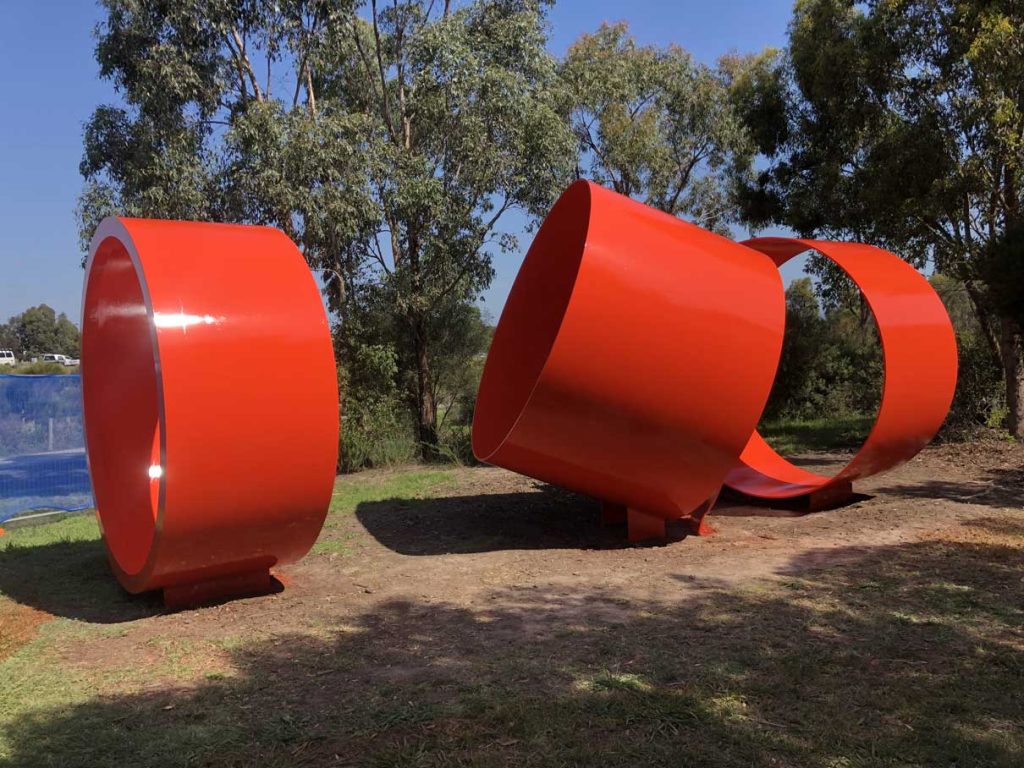
Maintain civic sculptures with public art maintenance by JKFasham in Melbourne. Fabrication expertise supporting structural restoration projects.
Public sculptures contribute to the identity of civic spaces and architectural developments. Effective public art maintenance supports the stability and presentation of these installations while helping asset owners manage long-term upkeep. Careful restoration planning allows ageing or damaged sculptures to remain safe and visually consistent within public environments.
Structural Inspection for Outdoor Sculptural Installations
Large fabricated sculptures experience long-term stress from weather exposure, environmental conditions, and structural loading. Planned inspection programs help guide public art maintenance by identifying structural movement, corrosion, or weakened fixings before visible deterioration occurs.
Condition assessments typically focus on mounting assemblies, weld connections, and support frames. Early identification of structural concerns allows project teams to plan appropriate restoration work without disrupting the surrounding public environment.
Technical Considerations in Public Art Maintenance
Restoration planning for fabricated sculptures requires careful review of structural and material conditions. Clear technical evaluation supports safe restoration decisions while maintaining the original form of the artwork.
Typical inspection considerations include:
- Surface Condition Review: Inspect coatings, finishes, and exposed materials to identify weathering that may affect long-term durability.
- Material Compatibility Assessment: Confirm that any replacement components align with the original materials to minimise corrosion risks or surface inconsistencies.
- Structural Connection Inspection: Examine welds, brackets, and internal supports for fatigue, distortion, or loosening caused by environmental exposure.
- Foundation and Mounting Stability: Check base plates, anchors, and plinth structures to ensure the sculpture remains securely fixed.
- Environmental Exposure Evaluation: Identify drainage issues, moisture accumulation, or pollution exposure that may accelerate deterioration.
Fabrication Knowledge Supporting Sculpture Restoration
Large public sculptures often incorporate fabricated metal components and engineered support structures. In many public art maintenance projects, restoration work may involve structural repairs, replacement components, or reinforcement of mounting assemblies.
Australian conservation guidance encourages restoration work that respects the original design and fabrication methods of the artwork. JK Fasham recognises industry guidance referenced by the Australian Institute for the Conservation of Cultural Material (AICCM), which outlines responsible conservation practices for cultural assets.
Our capability and structural steel expertise support restoration teams responsible for maintaining large fabricated artworks. Knowledge of engineered metal structures allows project stakeholders to address structural repairs without altering the original design intent.
Sustaining Public Sculptures in Built Environments
Public sculptures remain visible features within civic infrastructure, cultural precincts, and commercial developments. Consistent inspection and responsible restoration planning help maintain their structural integrity and visual presence over time.
JK Fasham works with councils, architects, and project stakeholders, managing public art maintenance where fabricated structural components or engineered mounting systems require repair or replacement.
Contact us to learn more about our fabrication support or structural restoration requirements for public sculpture installations.